What a Professional Carpet Mold Inspection Really Involves
Why a Professional Inspection Matters
If you notice a musty smell in a room, see dark spots on your carpet, or have recently dealt with a leak or flood, the next step is often a carpet mold inspection. Many homeowners wonder what actually happens during one. A professional inspection is not just a quick look at the surface. It is a systematic process that identifies hidden moisture, determines the extent of contamination, and guides the right course of action. Without this step, you risk leaving mold to spread, which can damage flooring, framing, and even affect indoor air quality. This article walks through the typical steps of a professional carpet mold inspection and what to watch for at each stage.
Step 1: Initial Visual Assessment
The first thing an inspector does is walk through the affected area. They look for visible signs of mold growth, water stains, discoloration, or lifting of the carpet. They also check for a damp or musty odor, which often indicates hidden mold. At this stage, the inspector notes the size of the affected area and any obvious moisture sources such as leaky pipes, poor ventilation, or recent flooding. They may also ask about the history of the space, like when the water issue first appeared or if there has been any previous remediation. This initial survey sets the stage for more detailed testing.
Step 2: Moisture and Humidity Measurement
Mold needs moisture to grow. Therefore, a professional inspection always includes measuring moisture levels in the carpet, padding, and the subfloor beneath. Inspectors use tools like moisture meters. These devices can detect dampness in materials even when the surface feels dry. They also measure relative humidity in the room with a hygrometer. If humidity is above 60 percent, mold growth is likely. The inspector will record these readings and compare them to normal baselines. This step helps pinpoint exactly where moisture is trapped, which is essential for effective removal.
Step 3: Sampling and Laboratory Analysis
Sometimes visual clues and moisture readings are not enough. The inspector may take samples from the carpet fibers, padding, or even the air. They might use a swab to collect material from a suspicious spot or a tape lift sample to pick up mold spores from the surface. In more thorough inspections, they can take an air sample using a device that pulls a known volume of air over a sticky slide or filter. These samples are sent to a lab. The lab identifies the types and concentrations of mold present. This information matters because different molds require different cleanup approaches. For example, some molds are allergenic, while others are toxigenic. Knowing what you are dealing with guides the remediation strategy. At this point, a thorough inspector might use methods like Carpet Mold Removal Services Pros carpet mold testing to get accurate results before recommending any work.
Step 4: Assessing the Extent of Contamination
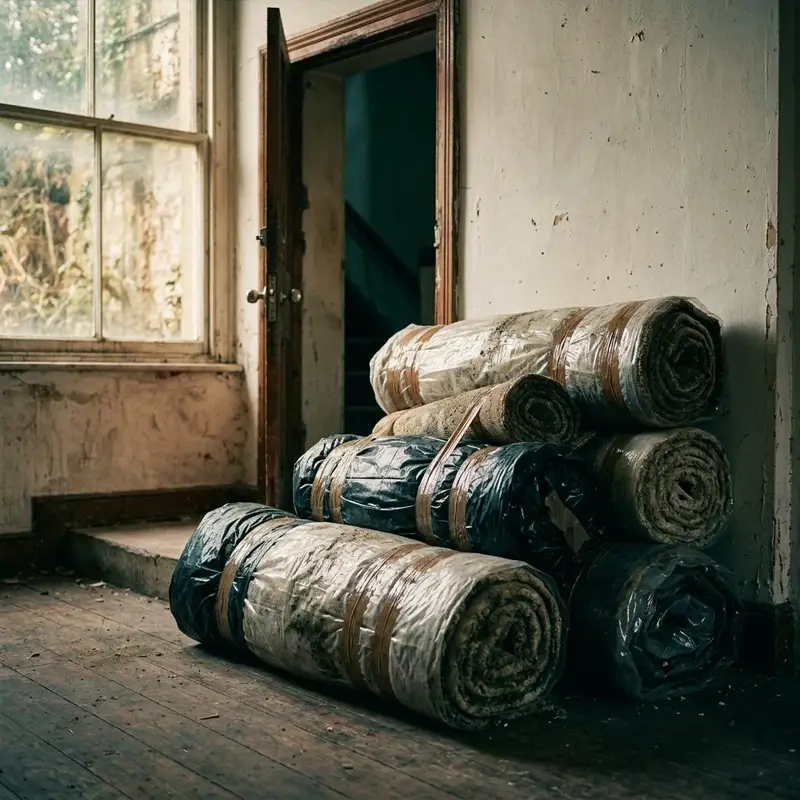
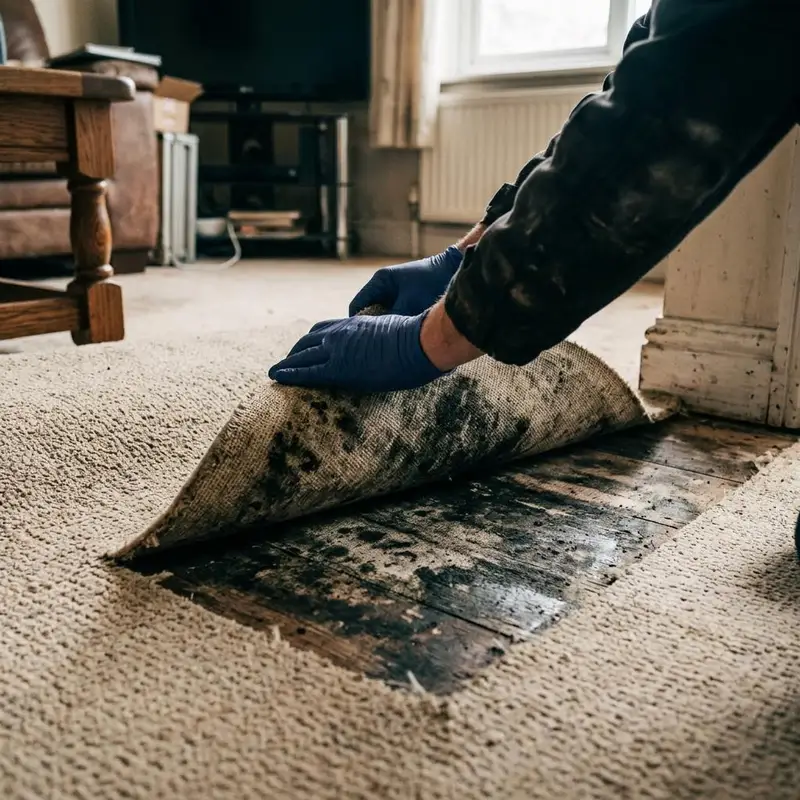
Once moisture data and lab results are in, the inspector determines how far the mold has spread. Mold can travel under the carpet, into the padding, and even into the subfloor or drywall. The inspector may lift a corner of the carpet or use a borescope, a small camera on a flexible tube, to look inside wall cavities or under the flooring. They check for hidden colonies in areas that appear clean on the surface. This assessment is critical because it tells you whether the carpet can be saved or if removal is necessary. Often, the padding and carpet must be discarded if mold has penetrated deeply. The inspector will also note any structural damage, such as rot in the subfloor, that requires repair.
Step 5: Identifying the Moisture Source
A professional inspection does not stop at finding mold. It also identifies why moisture is present in the first place. Common sources include plumbing leaks, condensation from HVAC systems, high humidity from poor ventilation, groundwater seepage through concrete slabs, or recent flooding. The inspector may use a thermal imaging camera to spot temperature differences that indicate hidden moisture behind walls or under flooring. They will check for leaky pipes, clogged gutters, or inadequate drainage around the foundation. Fixing the moisture source is essential, because if you remove mold without stopping the water, the problem will return.
Step 6: Detailed Reporting and Recommendations
After gathering all the data, the inspector compiles a written report. This document typically includes photographs, moisture readings, lab results, a map of the affected area, and a summary of findings. It should state the type of mold found, the severity of contamination, and the likely cause of moisture. The report also outlines recommended next steps. These may include: drying the area, removing and replacing contaminated carpet and padding, disinfecting surfaces, improving ventilation, or repairing the moisture source. A good report helps you understand the scope of work and can be used to get accurate estimates from remediation contractors. For instance, a company like Carpet Mold Removal Services Pros carpet mold testing often provides this level of documentation, which is a useful reference for insurance claims or property records.
What to Watch for During the Inspection
As a property owner, you can pay attention to a few things to ensure the inspection is thorough. First, ask if the inspector uses moisture meters and thermal imaging, not just a visual check. Second, confirm that they take samples and send them to an accredited lab. Third, watch for clear communication about the findings and the recommended plan. A professional should explain the results in plain language and answer your questions. Fourth, be wary of inspectors who recommend immediate removal without proper testing. Mold remediation is a significant job, and you want a plan based on evidence, not guesswork. Finally, check that the inspector looks beyond the carpet itself. Mold can hide in padding, subfloor, baseboards, and even inside wall cavities. A complete inspection covers all these areas.
After the Inspection: What Comes Next
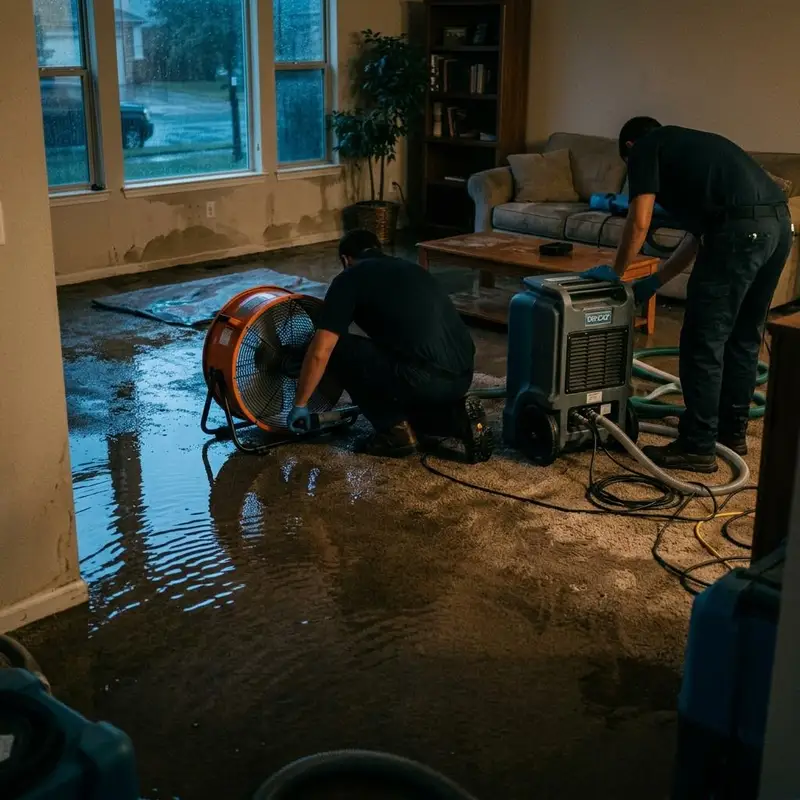
The inspection report is the foundation for the next steps. Depending on the findings, the recommended actions may range from a simple drying and cleaning to full carpet and padding removal, subfloor repair, and even structural drying. In many cases, the carpet and padding will need to be discarded because mold spores penetrate deep into the fibers and backing. The space must be dried thoroughly, often with industrial dehumidifiers and air movers, before new flooring can be installed. The moisture source must be fixed, or the problem will recur. Professional mold remediation companies then handle the removal, disposal, and drying according to industry standards. After the work is done, a final inspection may be performed to confirm that the area is dry and mold-free.
Understanding what happens during a professional carpet mold inspection helps you make informed decisions about your property. It also prepares you for the process and helps you recognize a thorough, qualified inspection. Whether you are dealing with a small spot or a large area, the inspection is the first step toward restoring a healthy indoor environment.